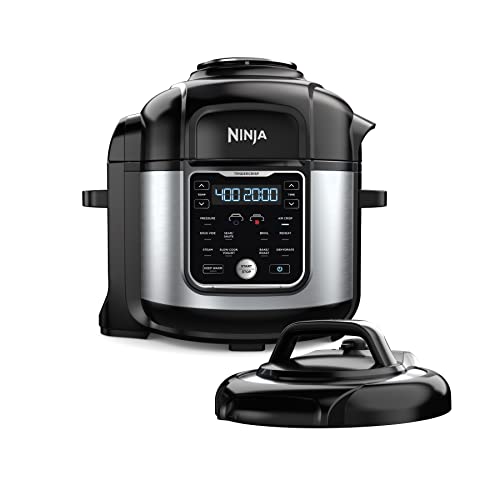
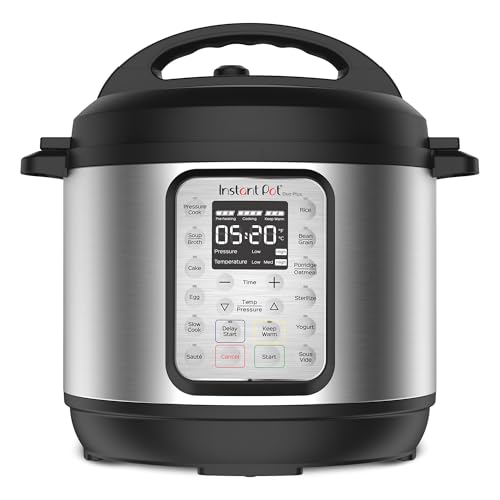
Best OverallInstant Pot
Instant Pot Duo 7-in-1 6-Quart
In: Best Electric Pressure Cookers
- 7-in-1
- 6-quart
Pressure cookers speed up cooking. Choose electric for convenience or stovetop for speed and durability.
Standout picks from our best-of lists. Tap any product for features, pros and cons.
In: Best Electric Pressure Cookers
In: Best Electric Pressure Cookers
In: Best Pressure Cookers Under $100
In: Best Pressure Cookers
In: Best Electric Pressure Cookers
In: Best Pressure Cookers Under $100
In: Best Pressure Cookers
In: Best Electric Pressure Cookers
Ranked shortlists for specific budgets and use cases. Start with the one that matches yours.
Electric pressure cookers automate timing and heat. Stovetop cookers reach higher pressure and cook faster but need more attention.
Size depends on household.
Electric for convenience, stovetop for speed.
6 qt suits most families.
Look for locking lids and release valves.
Stainless steel lasts longest.
Choose useful presets.
Research-based picks from specs, independent reviews and owner feedback.
No paid placements, ever.
Our methodologyOne of our strongest picks is the Instant Pot Duo 7-in-1 6-Quart, a standout in our Best Electric Pressure Cookers list. The Breville Fast Slow Pro 6-Quart is another excellent choice.
Start with your main use and budget, then compare our shortlists: Best Electric Pressure Cookers, Best Pressure Cookers Under $100, Best Pressure Cookers.
Electric for convenience, stovetop for speed.
Most electric pressure cookers reach 10 to 12 PSI, below the 15 PSI standard for stovetop models. The Breville Fast Slow Pro is the main exception: it offers both 11 PSI and 15 PSI modes. At 10 to 12 PSI: electric models take 10% to 20% longer than stovetop 15 PSI for the same food. In practice, dried chickpeas at 15 PSI take 35 minutes; at 10 PSI, 42 to 50 minutes. The time difference is real but not dramatic for everyday cooking.
Instant Pot is the dominant brand of electric pressure cooker in North America. Most 'Instant Pot vs. electric pressure cooker' comparisons are comparisons within the Instant Pot lineup (Duo vs. Other brands, Ninja Foodi, Breville Fast Slow Pro, Crock-Pot Express, are also electric pressure cookers. The Instant Pot Duo is the category standard by market share.
Yes, when available at that price. The 7-in-1 functions (pressure cook, slow cook, rice, saute, steam, yogurt, keep warm) and the largest recipe community make it the default recommendation at this budget.
For occasional pressure cooking: any of these performs adequately.
Stovetop pressure cookers (Fissler, Kuhn Rikon, All American) reach 15 PSI, the maximum standard pressure, and cook at higher temperatures than most electric models. Faster cooking times, better searing capability, lighter weight, simpler construction, and longer lifespan. Electric pressure cookers (Instant Pot, Ninja Foodi) reach 10 to 12 PSI, are fully automated with programmable presets, keep-warm functions, and timers, and require no stovetop monitoring. For the best cooking results: stovetop. For convenience and automation: electric. Most households with a full stovetop arsenal benefit more from an electric model because it is a hands-off second cooking method, not a replacement for their existing pots.