Breville
Breville Fast Slow Pro Pressure Cooker BPR700BSS
- 6-quart brushed stainless steel housing and insert
- Fast and slow cooking modes with independently adjustable pressure
Instant Pot
Sponsored link · confirm price and availability on Amazon · updated
Yes, for most kitchens. The Instant Pot Duo 6-Quart is the simplest way to get pressure cooking, slow cooking and rice in one appliance, and it has the biggest recipe library of any multicooker. Buy a bigger or smarter model only if you cook for six or more, or want guided programs and a status display.
The Instant Pot Duo is the model that made electric pressure cooking mainstream, and a decade later it is still the default recommendation for good reason. It replaces a pressure cooker, slow cooker, rice cooker, steamer, sauté pan, warmer and yogurt maker with a single 6-quart pot that fits on most countertops.
What it does not do is hold your hand. The Duo uses a dial-free button panel and a manual steam valve, so you set a program, seal the lid and wait. That simplicity is exactly why it lasts: there is very little to break, and nearly every recipe written for an Instant Pot assumes this machine.
The headline feature is pressure cooking, and it is the one that changes how you cook. Dried beans go from overnight soak to tender in under an hour. Tough cuts like chuck roast and pork shoulder turn fall-apart soft in roughly a third of the oven time. Stocks pull more flavor in an hour than a stovetop pot does in an afternoon.
The secondary functions are genuinely useful rather than marketing. Sauté lets you brown meat and soften onions in the same pot before you pressure cook, which saves a pan and builds flavor. The rice program is reliable for white and brown rice. Slow cook works, though it runs a little cooler than a dedicated slow cooker, so many owners add time or use the high setting.
Six quarts is the sweet spot for households of two to five. It handles a whole chicken, a pound of dried beans, or a double batch of chili. Remember that a pressure cooker can only be filled to two thirds of its capacity (half for beans and grains, which foam), so usable volume is closer to four quarts.
Choose the 3-quart Mini if you cook for one or two and want a smaller footprint. Choose the 8-quart if you batch cook, feed six or more, or regularly make stock from a full carcass. The 8-quart takes longer to come to pressure and needs more liquid, so don't size up without a reason.
The first week is the hardest. You will learn that cook time is only part of the total: the pot needs 5 to 15 minutes to build pressure and, if you use natural release, another 10 to 20 minutes to depressurize. A recipe that says "8 minutes" can take 35 minutes from start to finish.
The two most common first-timer problems are a lid that won't seal, almost always because the silicone ring is not seated or the valve is set to Venting, and the "Burn" warning, which usually means there was not enough thin liquid or something stuck to the bottom after sautéing. Deglaze the pot with a splash of broth after browning and both problems largely disappear.
The steam release is loud and sends up a jet of vapor, which can be startling and is not ideal under low cabinets. Newer models like the Duo Plus and Pro add a quieter or diffused release and a progress indicator. The Duo has neither, so you judge progress by the float valve and the sound.
The silicone sealing ring absorbs odors. After a curry, your next batch of yogurt may taste faintly of spice. Most owners keep two rings, one for savory and one for sweet, which is an inexpensive fix.
Written by the BuyOnceRight research desk. Updated . Specifications are the manufacturer's; we don't claim hands-on testing we haven't done.
Pros
Cons
Buy it if you're…
Think twice if this matters to you
| List | Rank |
|---|---|
| Best Electric Pressure Cookers· Best Overall | #1 / 10 |
| Best Pressure Cookers Under $100· Best Overall | #1 / 10 |
| Best Pressure Cookers· Best Overall | #1 / 12 |
| Best Instant Pots Under $100 | #2 / 11 |
| Best Instant Pots and Electric Pressure Cookers | #2 / 12 |
| Best Slow Cookers | #3 / 14 |
| Best Instant Pots for Beginners | #4 / 11 |
Products ranked near it in our research, each better for a slightly different buyer.
Yes. It is the most beginner-friendly multicooker because the controls are simple and almost every Instant Pot recipe online is written for it. Expect a short learning curve around pressure build-up time and release methods.
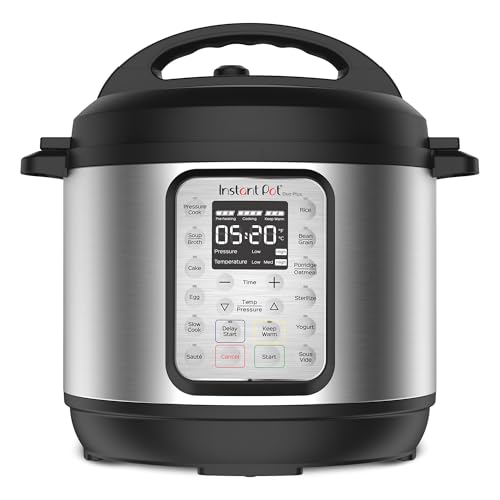
The Duo Plus adds a status display that shows the cooking stage, a few extra programs such as sterilize, and a quieter steam release. The core pressure cooking performance is the same, so the Duo is the better value unless those conveniences matter to you.
Usually 5 to 15 minutes, depending on how full the pot is and whether the ingredients are cold. Frozen food and large volumes take longer, so build that time into recipes.
Yes, for the right buyer. The Instant Pot Duo 7-in-1 Electric Pressure Cooker 6-Quart ranks #1 in our Best Electric Pressure Cookers list (best overall). Its biggest strength: pressure cooking mode replaces most slow cook recipes at 45 to 90 minutes instead of 8 to 10 hours. The main caveat: slow cook mode runs 10 to 20 degrees hotter than a dedicated slow cooker, recipes need 25 to 30% less time.
Based on our research it suits budgets under $100 and beginners. It's ranked #1 of 10 in our Best Electric Pressure Cookers list.
The main trade-offs owners and reviewers point to: slow cook mode runs 10 to 20 degrees hotter than a dedicated slow cooker, recipes need 25 to 30% less time; round insert doesn't fit a whole chicken as well as an oval-shaped dedicated slow cooker; requires a separately purchased glass lid for proper vented slow cooking.
7-in-1 multi-cooker: pressure, slow cook, rice, steam, sauté, yogurt, warm, 6-quart stainless steel inner pot, stovetop-safe, Programmable slow cook mode with low/normal/high, Delayed start timer for scheduled cooking and Sealed pressure lid (glass lid sold separately for slow cooking).
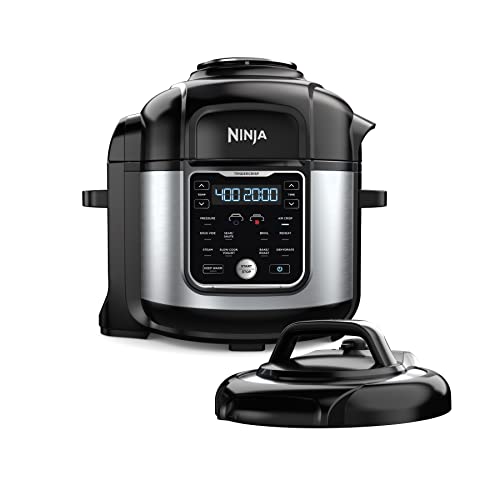
Worth comparing: Breville Fast Slow Pro Pressure Cooker BPR700BSS, Ninja Foodi 8-Quart Pressure Cooker and Air Fryer and Instant Pot Duo Plus 9-in-1 6-Quart. Each ranks near it in our research for a slightly different buyer.
It's sold on Amazon. Prices and stock change often, so check the current listing before you buy, our link takes you straight to it.
Most electric pressure cookers reach 10 to 12 PSI, below the 15 PSI standard for stovetop models. The Breville Fast Slow Pro is the main exception: it offers both 11 PSI and 15 PSI modes. At 10 to 12 PSI: electric models take 10% to 20% longer than stovetop 15 PSI for the same food. In practice, dried chickpeas at 15 PSI take 35 minutes; at 10 PSI, 42 to 50 minutes. The time difference is real but not dramatic for everyday cooking.
Instant Pot is the dominant brand of electric pressure cooker in North America. Most 'Instant Pot vs. electric pressure cooker' comparisons are comparisons within the Instant Pot lineup (Duo vs. Other brands, Ninja Foodi, Breville Fast Slow Pro, Crock-Pot Express, are also electric pressure cookers. The Instant Pot Duo is the category standard by market share.