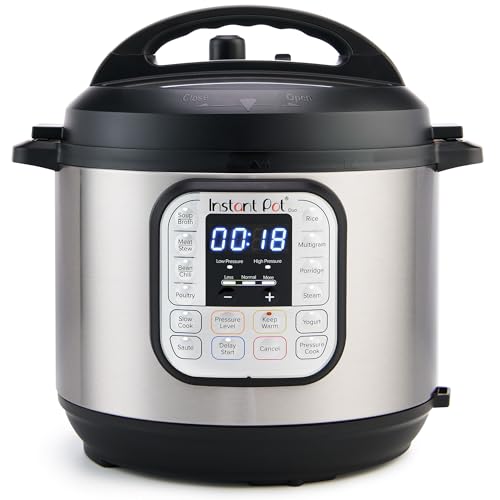
Instant Pot
Instant Pot Duo 7-in-1 Electric Pressure Cooker 6-Quart
In: Best Instant Pots for Beginners
- 6-quart stainless steel insert
- 7-in-1 functions: pressure cook, slow cook, rice, sauté, steam, warm, yogurt
Multi-cookers combine pressure cooking, slow cooking and more. Size and useful programs matter most.
Standout picks from our best-of lists. Tap any product for features, pros and cons.
In: Best Instant Pots for Beginners
In: Best Instant Pots for Beginners
In: Best Instant Pots Under $100
In: Best Instant Pots Under $100
In: Best Instant Pots and Electric Pressure Cookers
In: Best Instant Pots and Electric Pressure Cookers
In: Best Instant Pots Under $100
In: Best Instant Pots Under $100
Ranked shortlists for specific budgets and use cases. Start with the one that matches yours.
Electric pressure cookers like Instant Pot speed up beans, stews and tough cuts. Many models add slow cooking, rice and yogurt settings. Some include air fryer lids.
A 6-quart model suits most households; 8 quarts suit large families and batch cooking.
3 qt for one or two people, 6 qt for families, 8 qt for batch cooking.
Stainless steel pots are durable; nonstick pots are easier to clean.
Focus on settings you'll use.
Combination models save space but cost more.
Look for lid locks and pressure release designs that keep hands away from steam.
Research-based picks from specs, independent reviews and owner feedback.
No paid placements, ever.
Our methodologyOne of our strongest picks is the Instant Pot Duo 7-in-1 Electric Pressure Cooker 6-Quart, a standout in our Best Instant Pots for Beginners list. The Instant Pot RIO Wide Plus 60oz Electric Pressure Cooker is another excellent choice.
Start with your main use and budget, then compare our shortlists: Best Instant Pots for Beginners, Best Instant Pots Under $100, Best Instant Pots and Electric Pressure Cookers.
3 qt for one or two people, 6 qt for families, 8 qt for batch cooking.
No, the core pressure cooking function requires three steps regardless of model: add ingredients and liquid, seal the lid (turn to lock position until the valve drops), and press Pressure Cook, set time, and press Start. The unit builds pressure over 10 to 15 minutes, cooks for the set time, then beeps. Release pressure via the quick release valve or wait for natural release. This sequence is the same across all Instant Pot models. The learning curve is primarily around pressure release timing (quick vs natural) and adjusting recipe cook times from conventional to pressure, which every standard pressure cooker recipe already specifies. Most beginners make one or two test batches before pressure cooking becomes intuitive.
Hard-boiled eggs: the most forgiving and most demonstrative first use. Place 1 cup of water in the insert, add eggs on the trivet, seal the lid, and pressure cook on High for 5 minutes followed by 5-minute natural release. The eggs peel easily and are consistently cooked, demonstrating the pressure cooker's advantage over stovetop boiling. Second recipe: dried lentil soup. Dried lentils, diced vegetables, broth, and spices, seal and pressure cook on High for 15 minutes, natural release 10 minutes. No pre-soaking, done in under 30 minutes total, and the result is proof that pressure cooking genuinely saves time compared to the 45-minute stovetop alternative.
The Duo Plus is marginally easier for beginners due to its status indicator ring (a ring of light around the lid that changes color, blue during pressure building, red during cook time) that provides clearer visual feedback on where in the cycle the unit is. The base Duo has a simpler dial selector with fewer functions to navigate, which some beginners prefer. Practical difference: both produce the same results with the same controls for the core pressure cook function. If a beginner's concern is interface clarity during the cooking process: Duo Plus. If a beginner's concern is keeping the interface simple: base Duo.
Modern electric pressure cookers including all Instant Pot models have multiple redundant safety systems that prevent dangerous overpressure. Safety mechanisms in the Instant Pot Duo: a pressure release valve that vents automatically if pressure exceeds safe limits, a float valve that must be in the up position for the pressure cook cycle to maintain pressure, a lid sensor that prevents pressure cooking with an improperly locked lid, and an anti-blockage vent to prevent food material from clogging the release valve. These are the systems that make electric pressure cookers significantly safer than vintage stovetop pressure cookers that relied on a single lid lock and one rubber relief valve. The pressure limit in an Instant Pot is 15 PSI, the same as a kitchen pressure canner. Follow basic usage rules (minimum liquid amounts, do not overfill above the max line, keep the release valve clear of debris) and the safety systems handle the rest.
Setting a price alert through tools like CamelCamelCamel (Amazon price history) will notify you when the Duo drops to its sale price. The Duo is Instant Pot's most sale-discounted model, a 25% to 35% discount appears reliably 6 to 8 times annually.