Best OveralliRobot
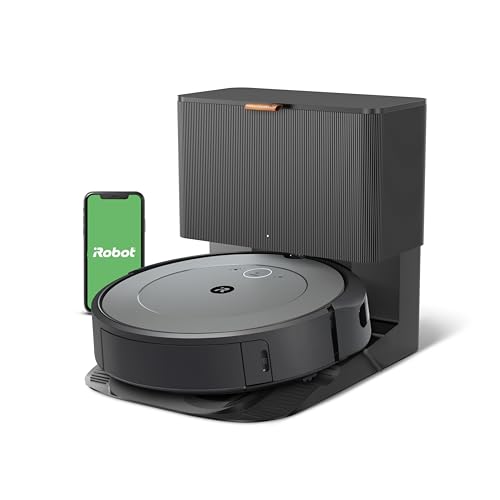
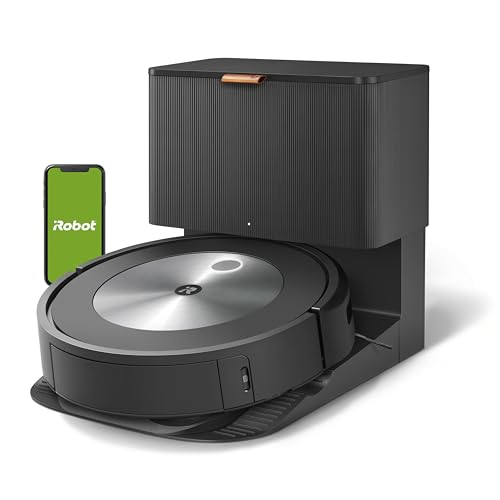
iRobot Roomba j7+ Self-Emptying Robot Vacuum
- PrecisionVision pet waste avoidance
- Rubber extractors
Navigation, floor type, pets, and self-emptying are the only variables that matter.
Hard floors only: start at 2000Pa suction minimum. Any systematic model will work.
Once you buy a robot vacuum, you can add accessories, change schedules, and set no-go zones. The one thing you cannot change is the navigation type, a random navigation robot vacuum will never become a systematic one.
If you want a fast answer:
The floor plan determines how well any robot vacuum performs. Open floor plans (connected kitchen, living, dining) allow the robot to complete the space in one pass with no re-docking.
Robot vacuums perform best as daily maintenance tools, not weekly deep cleaners. Daily 30 to 40 minute runs in a 1,000 square foot home keep debris levels manageable and prevent buildup.
Best Robot Vacuums, full comparison across all budgets Robot Vacuum Buying Guide, detailed feature explanations
Once you buy a robot vacuum, you can add accessories, change schedules, and set no-go zones.
The one thing you cannot change is the navigation type, a random navigation robot vacuum will never become a systematic one.
This is the decision to make first, and it determines everything else.
Buy systematic navigation or wait.
If you want a fast answer: Mixed floors, dog with indoor accidents, any budget: Roomba j7+ (only model with pet waste avoidance).
The floor plan determines how well any robot vacuum performs.
Open floor plans (connected kitchen, living, dining) allow the robot to complete the space in one pass with no re-docking.
Closed-room layouts require the robot to navigate through doorways, modern systematic robots handle this well for standard 28-inch doorways.
The critical measurement is robot height relative to furniture clearance.
Standard robot vacuums are 3.5 to 3.7 inches tall.
Robot vacuums perform best as daily maintenance tools, not weekly deep cleaners.
Daily 30 to 40 minute runs in a 1,000 square foot home keep debris levels manageable and prevent buildup.
Scheduling once or twice per week results in the robot spending more cleaning time and missing more debris.
The practical recommendation: schedule the robot for daily operation during a time when the household is out or in rooms not being cleaned.
Most systematic robots can clean specific rooms selectively, use this to schedule kitchen and dining room cleaning after meals.
Best Robot Vacuums, full comparison across all budgets Robot Vacuum Buying Guide, detailed feature explanations Best Robot Vacuums for Pet Hair, pet-specific picks
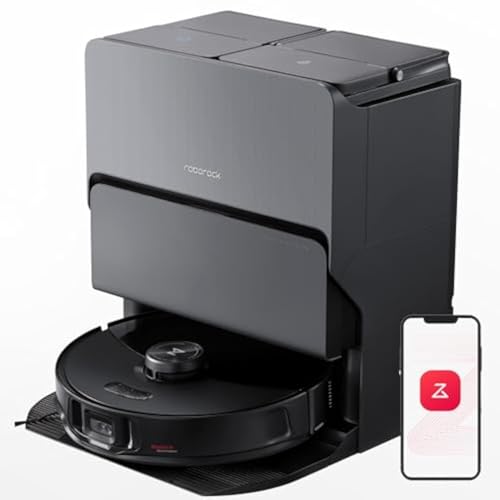
Roomba (iRobot) is the better choice if: you have a dog and need pet waste avoidance (Roomba j7+), you prefer rubber extractor brushes that handle pet hair without tangling, or you prefer a simpler app with reliable support. Roborock is the better choice if: you want LiDAR navigation at the lowest price, you want vacuum and mop in one unit, or you want multi-floor mapping. Both brands offer systematic navigation at similar price points.
Below that, you are buying random navigation, which provides inconsistent floor coverage.
Yes, with limitations. Dense furniture (lots of chair legs, tight spaces) increases the time a robot vacuum takes to clean an area and can cause it to get stuck more often. Robot vacuums with reactive obstacle avoidance navigate dense furniture better than basic cliff-sensor-only models. Allow a few weeks for the robot to learn the space.