


Splash Home
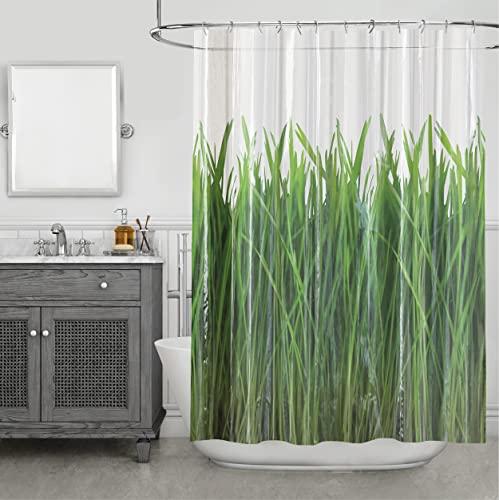
Splash Home Grass PEVA 5G Shower Liner
In: Best Mold-Resistant Shower Curtains and Liners
- 5-gauge PEVA construction
- Rustproof metal grommets at every hook point
Small bathroom textiles get wet daily, so material and washability decide how long they stay fresh.
Standout picks from our best-of lists. Tap any product for features, pros and cons.
In: Best Mold-Resistant Shower Curtains and Liners
In: Best Shower Curtains
In: Best Toilet Seat Covers
In: Best Mold-Resistant Shower Curtains and Liners
In: Best Shower Curtains
In: Best Toilet Seat Covers
In: Best Mold-Resistant Shower Curtains and Liners
In: Best Shower Curtains
Ranked shortlists for specific budgets and use cases. Start with the one that matches yours.
Shower liners, curtains and seat covers live in a warm, damp room, which is exactly where mildew grows. The most practical choices dry quickly and survive a regular trip through the washing machine.
Our lists compare fabric and plastic options and highlight the details, like weighted hems and rust-proof grommets, that make a difference day to day.
Fabric liners are machine washable and feel nicer. PEVA is a chlorine-free plastic that wipes clean and has less odour than PVC vinyl.
A weighted hem or bottom magnets stop the liner from billowing inward and sticking to you during a shower.
Standard shower curtains are about 72 by 72 inches. Stall showers and extra-long tubs need different sizes, so measure the rod width and drop.
Water-repellent treatments help, but airflow matters more. Spread the curtain out to dry after each shower.
Rustproof grommets and hooks prevent orange stains on the fabric.
Research-based picks from specs, independent reviews and owner feedback.
No paid placements, ever.
Our methodologyOne of our strongest picks is the Splash Home Grass PEVA 5G Shower Liner, a standout in our Best Mold-Resistant Shower Curtains and Liners list. The iDesign Fabric Shower Curtain, Long 72-Inch by 84-Inch is another excellent choice.
Start with your main use and budget, then compare our shortlists: Best Mold-Resistant Shower Curtains and Liners, Best Shower Curtains, Best Toilet Seat Covers.
Fabric liners are machine washable and feel nicer. PEVA is a chlorine-free plastic that wipes clean and has less odour than PVC vinyl.
Mold and mildew grow where three conditions overlap: standing moisture, warmth, and an organic food source (soap scum, skin cells, fabric fibers). A shower curtain that stays wet after each use, folded against itself in the curtain's natural creases, creates exactly this environment: trapped moisture between folds that never fully dries between showers. The bottom 6 to 8 inches of a liner, which sits closest to standing water and gets the least airflow, is where mildew typically starts first, visible as small black or pink-orange spots. PEVA and vinyl resist mold growth on the material itself better than fabric does, since mold needs organic material to colonize and plastic offers less of a foothold than woven fiber, but soap scum buildup on any material's surface gives mold something to grow on regardless of the base material.
Manufacturers apply an antimicrobial agent (commonly a silver-ion or quaternary ammonium compound) to the fabric or plastic surface during production. This treatment inhibits microbial growth on the treated surface itself for the useful life of the product, it does not eliminate the need for regular cleaning or make the curtain immune to mold if soap scum and moisture are allowed to accumulate unchecked. In practical terms: a treated curtain that gets an occasional wipe-down will stay mildew-free noticeably longer than an untreated curtain under the same conditions, but a treated curtain that is never cleaned and stays wet between uses will eventually develop mold anyway, just on a longer timeline than an untreated one.
For PEVA or vinyl liners: machine wash on a gentle cold cycle with a cup of white vinegar in place of detergent (vinegar's acidity breaks down mildew without the diluted-bleach smell), then air dry fully extended, never in a dryer, which can warp the material. Add two bath towels to the load to help scrub the surface through agitation. For fabric curtains: wash on the warmest setting the fabric care label allows, with regular detergent plus a half cup of white vinegar or oxygen bleach (not chlorine bleach on colored fabric). Spot-treat visible mildew spots with a paste of baking soda and water applied directly before washing. If mildew persists after two wash cycles or has left permanent black staining, the material has likely absorbed spores below the surface, and replacement at that point is more effective than continued washing.
Not directly, gauge measures thickness and durability, not mold resistance. A high-gauge (8G+) liner without antimicrobial treatment can still develop mildew as readily as a thin one if it stays wet and unwashed. Where gauge matters indirectly: a higher-gauge liner resists the cracking and grommet tearing that create trapped micro-folds where moisture sits without drying, so it tends to develop the worst mildew hot spots (grommet tears, creased corners) more slowly than a thin liner that degrades faster. For genuine mold resistance, prioritize an explicit antimicrobial/mildew-resistant treatment claim on the listing over gauge number alone, and treat gauge as a separate durability spec.
A fabric shower curtain alone does not block water, it is decorative and needs a separate waterproof liner behind it. A vinyl or PEVA curtain can be used alone as the only water barrier, hung on the inside of the tub, since the material itself is waterproof. Most bathrooms end up with two layers: a PEVA or vinyl liner against the water, and a fabric curtain in front of it for appearance. If you want a single-layer setup, buy a PEVA or vinyl curtain rated 70 by 72 inches or larger and skip the fabric layer entirely. If appearance matters more than minimizing pieces, buy both: a liner in the 3 to 4-gauge range for standard use, and any fabric curtain you like on top.


