
Griddle Buying Guide: Surface Area, Temperature Range, and Non-Stick Explained
Three specifications determine griddle performance: surface area, temperature range, and non-stick coating design. This guide explains what each means, how they interact with common cooking tasks, and
- BuyOnceRight Research Desk
- Updated
- 3 min read
On this page
Fixed vs. Removable Plate Decision
The single biggest cleanup difference in griddle selection: Fixed plate + wiping = 5 to 10 minutes cleanup Removable dishwasher-safe plate = 1 to 2 minutes cleanup Over one year of weekend use (52 sessions): removable plates save approximately 3 to 7 hours of cleanup time.
See Also
Best Griddles, full ranked list How to Choose a Griddle, decision framework Best Griddles for Smash Burgers, high-heat options
Put it into practice
Top griddles we recommend


Answers
Frequently asked questions
Do I need a lid for my electric griddle?
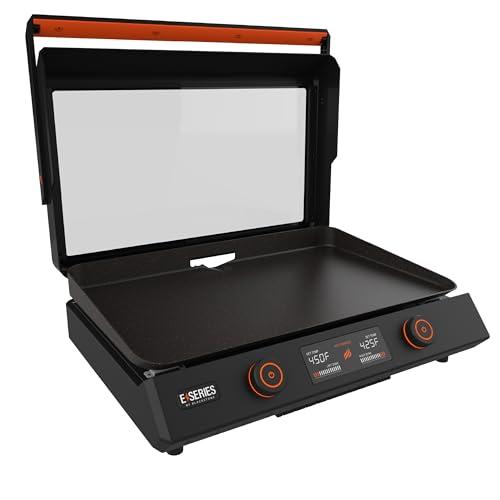
A lid is useful for two cooking applications: melting cheese on smash burgers (trap steam to melt the cheese without flipping), and cooking thicker proteins through to the center without overcooking the exterior (use the lid to trap heat around the sides). Most electric griddles do not include a lid. A splatter screen (a mesh cover that allows steam to escape) serves the cheese-melting function without trapping too much steam. The Blackstone 28-inch includes a lid.
Can I cook eggs on a griddle without them spreading too thin?
Yes, with an egg ring. Stainless steel or silicone egg rings hold the egg in a round shape while it cooks. Without a ring: fried eggs spread to the edges of their available space and cook thin. At the right temperature (325°F to 350°F), eggs on a non-stick griddle with a small amount of butter or oil cook perfectly in 2 to 3 minutes without an egg ring, the surface tension holds the egg roughly together. The egg ring produces the perfect round shape for sandwiches.
What is the correct temperature for pancakes on a griddle?
350°F is the standard recommendation for pancakes. At 350°F: the batter sets and the bottom browns in approximately 2 minutes per side. Above 375°F: the exterior browns too quickly and the interior is undercooked. The pancake is ready to flip when bubbles form across the full surface and the edges appear set (no longer shiny wet batter at the perimeter). Preheat the griddle fully before adding batter, adding batter to a partially heated griddle produces pale, undercooked pancakes.
Keep researching
Related guides & best picks
- Best picksBest Griddles for Smash Burgers: 10 Models That Reach Searing TemperatureSmash burgers require 375°F to 425°F sustained surface temperature and a flat surface for maximum contact. We rank the 10 electric griddles Read
- Best picksBest Griddles Under $50: 10 Budget Electric Griddles That Hold TemperatureWe rank the top 10 by temperature consistency, surface area per dollar, and non-stick durability, avoiding the ones that heat unevenly or fRead
- ComparisonBlackstone vs Cuisinart Griddler: Which Electric Griddle Is Right for Your Kitchen?The Blackstone 28-inch and Cuisinart Griddler Elite are the two most recommended griddles. They serve different households: the Blackstone fRead
- ReviewBlackstone 22-Inch Electric Griddle Review: Best Large-Surface Electric GriddleThe Blackstone 22-inch electric griddle offers 358 square inches of cooking surface, dual independent heating zones, and sustained 400°F+ teRead
- ReviewCuisinart Griddler Elite Review: Best Versatile Electric Griddle with Removable PlatesThe Cuisinart Griddler Elite converts between panini press, open grill, open griddle, and half-grill half-griddle configurations with dishwaRead
- How-to guideHow to Choose a Griddle: 5 Questions That Narrow the FieldFive questions eliminate most of the electric griddle market for your household. Cooking tasks, household size, cleanup tolerance, budget, aRead